Air Conditioning
Trusted heating and cooling solutions built for your home and comfort.
Air Conditioning & Cooling – Beat the Heat and Lower Energy Expenses

Does the Spring and Summer Heat Have Your Temperature Rising?
If so, the right air conditioning and cooling system might cool you down and bring a smile to your face. We love all the seasons at Mundy’s Heating and Air. The spring and summer months often bring some of the most beautiful memories, thanks to sunny days and family vacations spent enjoying the beach and water. Along with those beautiful blue skies and sunshine, however, come long, hot days that can make us sweat in more ways than one.
I don’t know about you, but my temperature begins rising when I think about energy bills. After a long day working outside, driving in a hot car or working in a warm office, there’s nothing better than coming home, kicking back and enjoying a few minutes in a cool, comfortable home.
That comfort comes with a price—but there are ways to reduce costs while improving cooling and heating efficiency. At Mundy’s Heating and Air, we are always looking for ways to improve year-round energy efficiency by lowering costs while making your home more comfortable.
Below are a few cooling tips that may improve your comfort, extend the life of your HVAC system, reduce your monthly energy bill and provide peace of mind. Give us a call when you need a free quote on a new air conditioning unit. We proudly serve the Tri-State area of Georgia, North Carolina and Tennessee.
Yes, Air Conditioner Size Matters—and Here’s Why
Air conditioning is about more than cooling the air around you. Don’t get me wrong—that’s usually the first thing we think about when we’re trying to stop sweating. However, an air conditioner also removes moisture from the air, helping prevent mold growth and the health concerns it may cause.
Air conditioning systems dehumidify the air inside your house and, when paired with the proper air filters, help promote a healthier and more comfortable living environment.
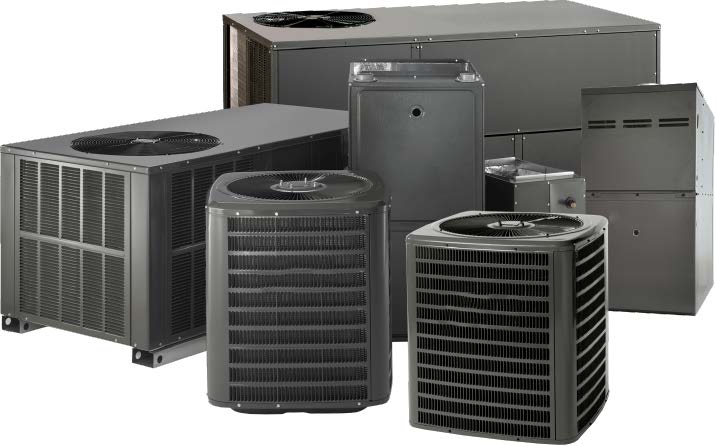
Another important point to keep in mind when sizing a new air conditioning unit is how the system will function. If the unit is too small, it will run longer and work harder to keep a larger living area cool. This increases energy costs and may decrease comfort over time.
On the other hand, bigger is not necessarily better. An oversized air conditioner may turn on and off too frequently, causing a condition called “short cycling,” which can shorten the lifespan of the compressor. When the unit does not operate long enough during each cycle, it may also fail to remove moisture properly and cause other home comfort issues.
Steps to Sizing Your New AC Unit
To improve air quality, maintain comfortable temperatures and reduce energy costs, it is important to size your new air conditioning unit properly. A trained technician can evaluate your home and help you select a system that meets your needs.
Cooling power is measured in BTUs, or British Thermal Units. Air conditioner size is determined in part by the square footage of the area you want to cool. This applies whether you are considering a central air conditioning system or a window unit.
The primary question is: How much power is required to cool and dehumidify the room or living space? A rough starting estimate can be made by calculating the square footage of the area you want to cool.
Calculate Your Living Space
To calculate the total area of your living space, add together the measurements for all rooms and spaces on each floor.
Use the following formulas:
Note: Most living spaces can be divided into three basic shapes: squares, rectangles or triangles.
- Squares and rectangles: Length × width
- Triangles: (Length × width) ÷ 2
If you don’t feel comfortable calculating the area yourself, need a visual reference or want additional information, review the sizing guidance provided by the federal ENERGY STAR program.
Air conditioning system capacity is commonly measured in tons, with 12,000 BTUs equaling one ton. For example, if the living area you want to cool is approximately 1,400 to 1,500 square feet and requires a 24,000-BTU system, the calculation would be:
24,000 BTUs ÷ 12,000 BTUs = a 2-ton AC unit
If you are unsure about your calculations, contact our office and speak with one of our trained professionals. We will be glad to provide a free quote and recommend an appropriate cooling solution for your living space.
Other Factors That Affect AC Sizing
Square footage is only a starting point. Several other variables must also be considered, including the R-value of your home’s insulation. A poorly insulated 1,400- to 1,500-square-foot space may require more cooling power than a tightly sealed space of the same size.
The direction your home faces can also affect its cooling needs. For example, south- or north-facing portions of your home may require additional consideration. Other factors include the number and condition of your windows, ceiling height, shade exposure and your home’s overall construction.
Mundy’s Heating and Air is just a phone call or click away, so reach out if you need help with a new or existing cooling or heating system.
Make the Cool Choice for Your Home
Installing a new HVAC system may make your home more energy-efficient, comfortable and technologically up to date. Remember, an improperly sized unit can cost you more in the long run.
Be sure to consider local and state requirements that may establish a minimum Seasonal Energy Efficiency Ratio, or SEER rating. Some local or state governments may also offer incentives for installing more efficient heating or cooling equipment.
A certified technician will be happy to visit your home, evaluate your needs and recommend an efficient air conditioning system. Make an appointment today!