Winterizing your HVAC System
Trusted heating and cooling solutions built for your home and comfort.
Fall HVAC Maintenance: Don’t Get Left Out in the Cold

Fall means cooler mornings, pumpkins everywhere and the perfect time to prepare your HVAC system for winter. Your heating, ventilation and air conditioning system keeps your home cool during summer and warm throughout winter.
With colder weather approaching, a little preventive maintenance can help protect your equipment, improve efficiency and reduce the chance of an unexpected breakdown.
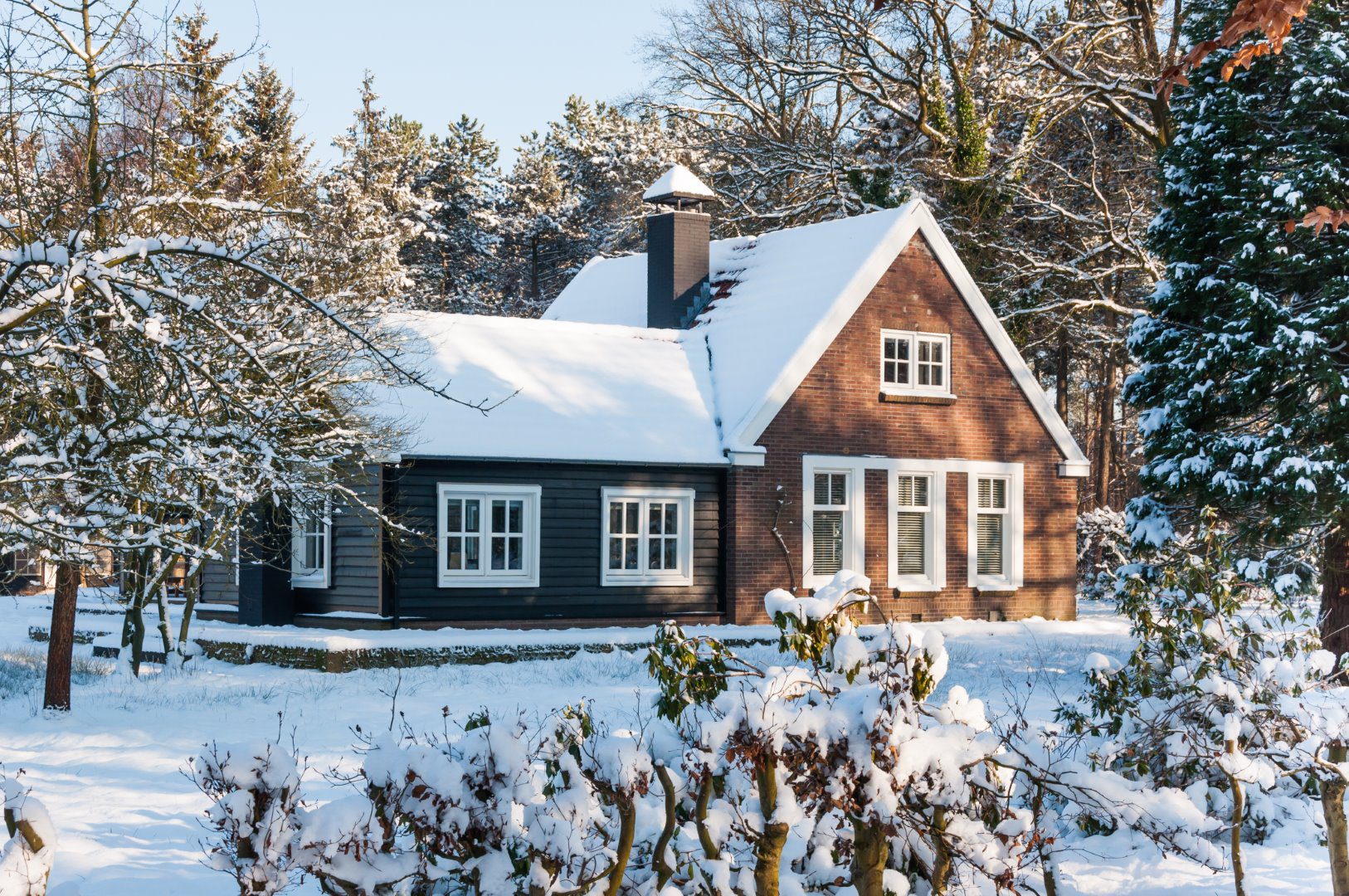
Why Prepare Your HVAC System for Winter?
HVAC equipment is built to withstand outdoor conditions, but routine maintenance can help improve its efficiency, reliability and useful lifespan.
A small amount of preparation now could save you time, money and frustration when the first cold weather arrives.
Before You Begin
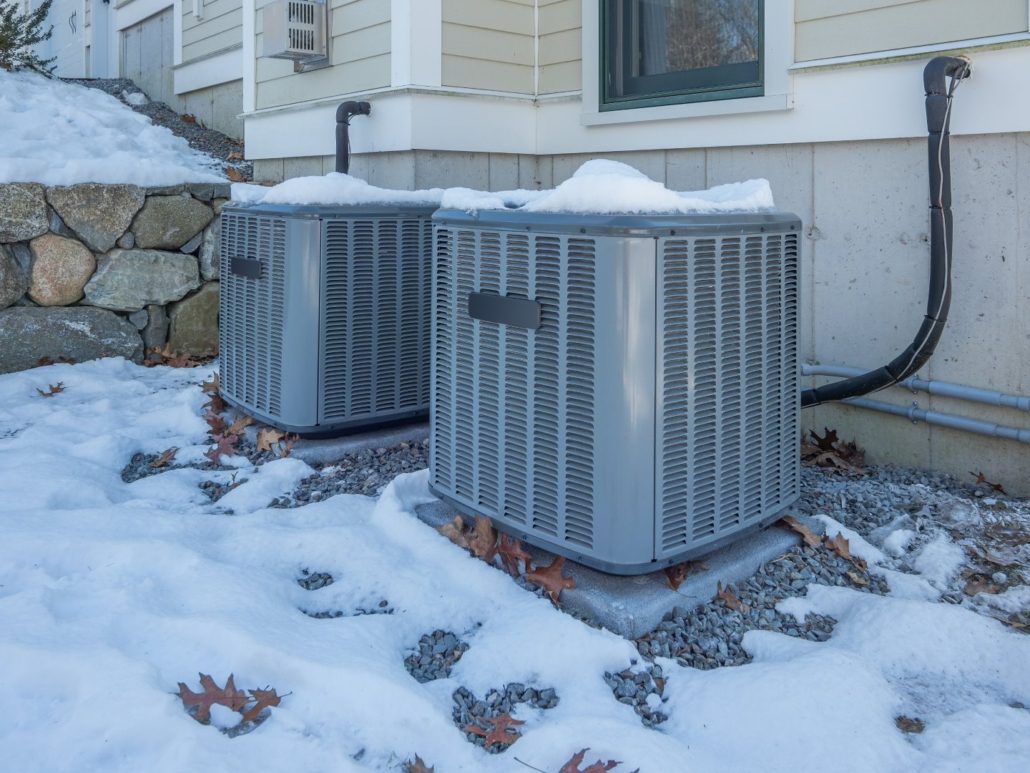
Do not shut down or cover an outdoor heat pump that provides winter heating. Heat pumps must remain unobstructed so they can draw in and discharge air. If you are unsure whether your outdoor equipment is a heat pump or cooling-only air conditioner, contact an HVAC professional before winterizing it.
How to Prepare Your HVAC System for Winter
1. Inspect the Outdoor Unit
Look over the outdoor equipment for obvious damage, loose panels, unusual rust or debris blocking airflow. Keep leaves, weeds and other materials from accumulating around the unit.
If the equipment is operating normally, avoid opening panels or attempting internal repairs yourself.
2. Clean Around the Equipment
Remove leaves, twigs, grass clippings and other debris from the top and surrounding area. Trim back foliage that grew around the equipment during spring and summer, leaving adequate clearance for airflow and service access.
Clearing the area also makes it less inviting for small animals looking for shelter during colder weather.
3. Check Exterior Insulation
Inspect the insulation around the larger refrigerant line between the outdoor unit and your home. Replace insulation that is missing, cracked or deteriorated.
Proper insulation helps the HVAC system operate efficiently and protects the refrigerant line from unnecessary heat transfer and condensation.
4. Use Covers Carefully
Never fully cover a heat pump that operates during winter. Blocking airflow can damage the system.
If you have a cooling-only outdoor air conditioner that will remain unused all winter, follow the manufacturer’s recommendations. A breathable top cover may help keep falling debris out while allowing moisture to escape. Avoid tightly wrapping the entire unit.
5. Replace or Inspect the Air Filter
Fall is a good time to inspect your return-air filter. A dirty filter restricts airflow, reduces efficiency and can make your heating system work harder.
Replacement frequency depends on the filter, your system, household dust, pets and equipment use. Check the filter regularly and follow the manufacturer’s recommendations.
Schedule a Professional Tune-Up
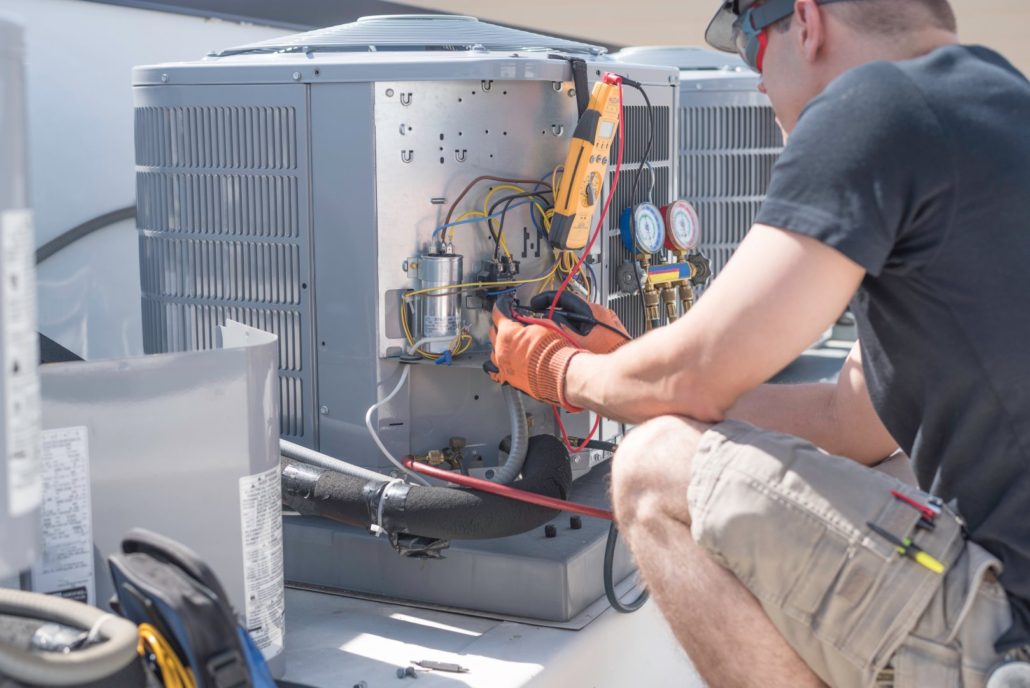
A professional HVAC tune-up can identify developing problems before the weather turns cold. A technician can inspect electrical components, test system operation, check safety controls and confirm that your equipment is ready for the heating season.
Professional maintenance is especially important for gas furnaces and other fuel-burning equipment.
Continue Checking the System Throughout Winter
Once winter arrives, periodically check the outdoor equipment and surrounding area.
- Remove leaves and debris from around the unit.
- Keep snow and ice from blocking airflow.
- Watch for unusual rust or visible damage.
- Make sure water can drain away from the equipment.
- Check that any top cover remains secure and does not trap moisture.
- Never cover or obstruct an operating heat pump.
Ready for a Fall HVAC Tune-Up?
Schedule an HVAC tune-up with Mundy’s Heating and Air before winter begins.